 Skip to content
The Legend of Spider Woman Navajo history is inseparable from the legend of Spider Woman, the deity believed to have gifted the Diné the art of weaving. It is said the first loom was forged from sky and earth cords, with sunlight, lightning, and crystals woven into the very fabric. While historians trace the technical origins to the Pueblo and Spanish influences of the 1600s, the Navajo transformed the craft into a matrilineal powerhouse. In this society, women owned the sheep and the looms, turning raw wool into a legacy.
Evolution of the Loom What began as simple women’s dresses and identical blankets (mantas) evolved through the decades into the iconic Chief’s blankets and the diverse regional rug styles we celebrate today. The materials have shifted from natural hand-carded yarns to vibrant Germantown wools, and back again to the highly prized Navajo Churro wool of modern masterworks.
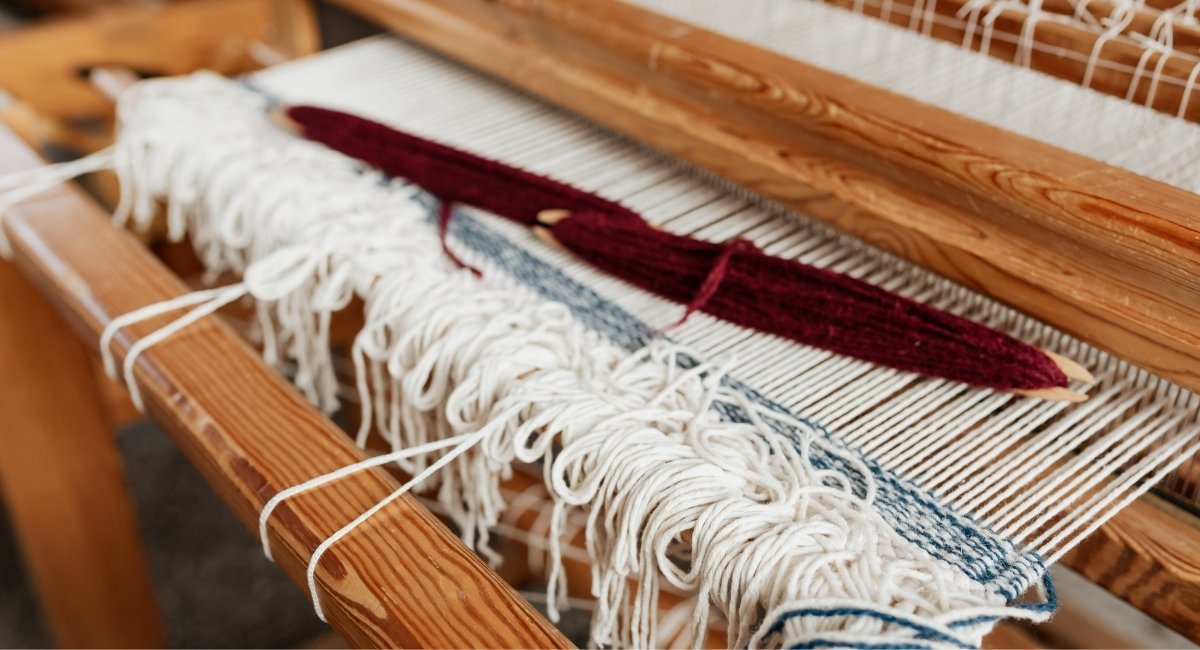
A Process That Defies the Machine The true “grit” of a Navajo rug lies in its construction. Today, master weavers still use the same handmade upright loom and continuous warp as their ancestors. Every single strand of wool is placed into the warp by hand. Because of this unique, non-mechanized process, a genuine Navajo rug will never unravel if cut—a feat of engineering that no factory on earth can replicate.
A Transformation of Nature From the early “Black Design” blankets to the complex Two Grey Hills and Storm Patterns of the present day, these textiles are spiritual transformations of the earth’s gifts. They represent a century-long journey of living off the land and prospering through artistry.